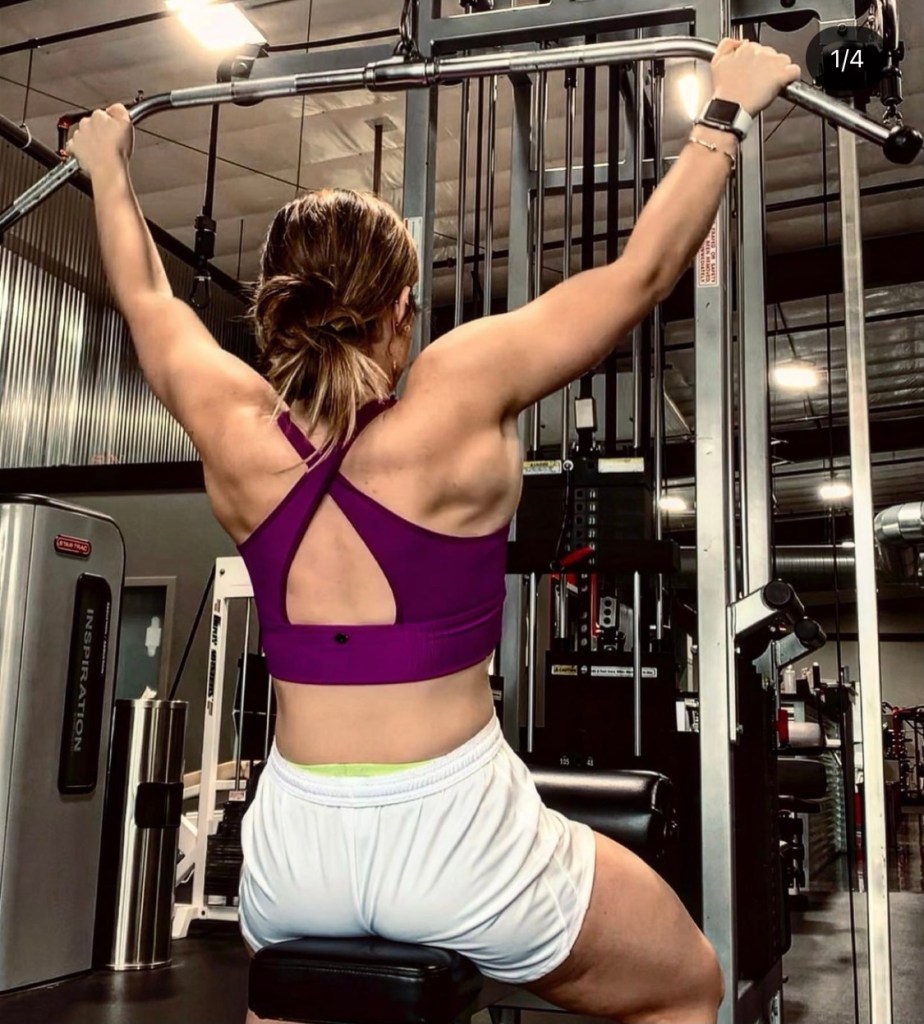
When constructing any workout, you want to play around with different hand positions, movements, and even feet positions.
This goes for both leg days and upper body days. But, I’m going to explain some examples with back/bicep hand positioning to get some basic understanding first!
The two most basic hand grips are called pronation and supination.
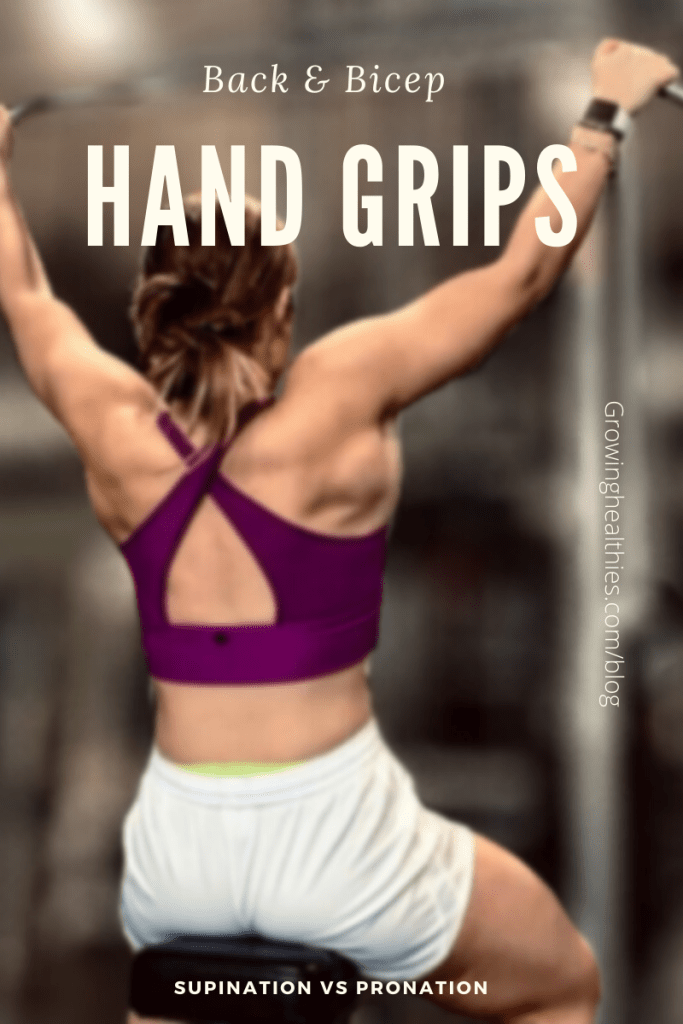
You can use a pronated grip for most exercises. This is also known as overhand. Pronated exercises include:
- bench press
- shoulder press
- barbell squat
- row
- dead hang
- barbell shrug
- trap bar deadlift with shrug
- reverse barbell wrist curl
A supinated grip is underhand or where your palms are facing you. This grip can be used for:
- row
- inverted row
- bent over row
- chinups
- lat pulldown
An alternated grip is one pronated (overhand) and one supinated (underhand) grip. This can be used for:
- deadlift variations (preferably heavy)
- regular and sumo deadlifts. (Personally, I love these for sumo deadlifts!)
When constructing a back and bicep day, you want to start with back movements and then move onto the accessory movements for biceps. This is because you want to put all your effort into heavier back movements, because you use your biceps within back movements as well. Bicep isolated movements are best at the end of a workout.
So, let’s start with some back workout examples:
Neutral Back Exercises
Ex: seated cable rows
A neutral grip is where your palms face each other. You see this many times on cable machines.
In the neutral position, you get some strength from your biceps without letting them take over completely.
Pronated Back Exercises
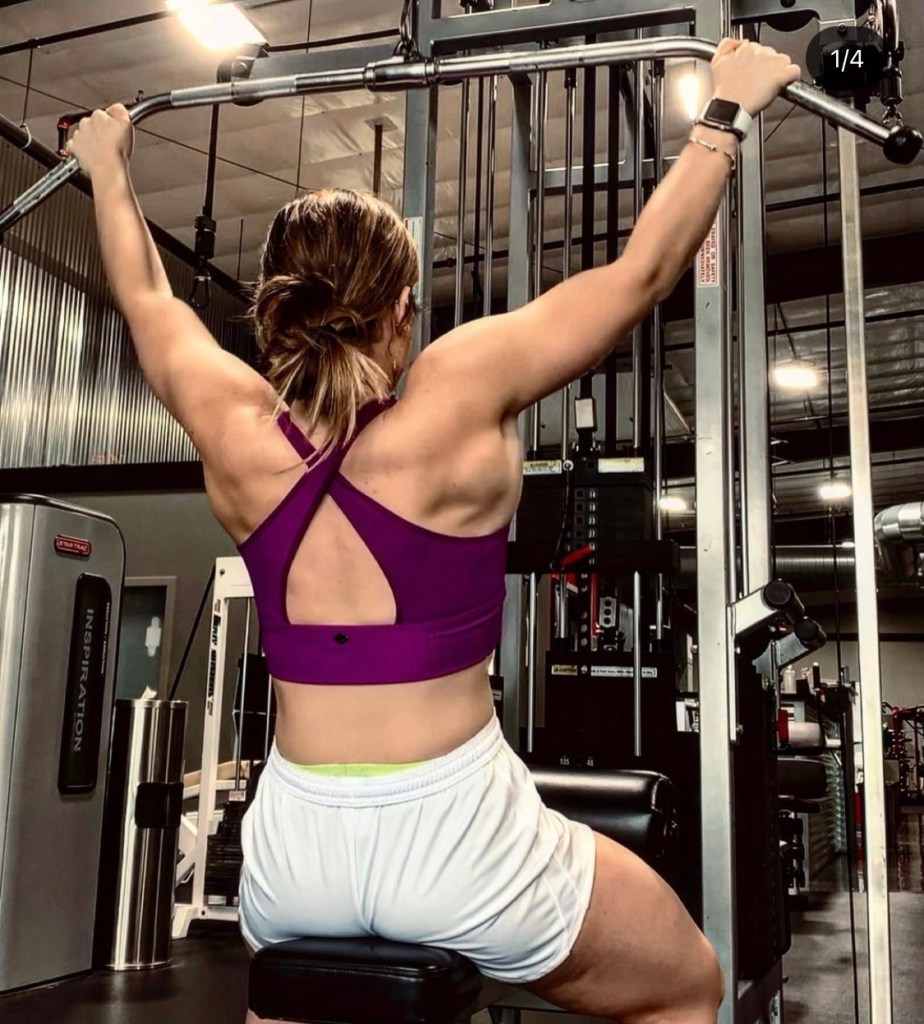
ex: lat pull down, bent over row, straight arm pull down
Like I said, pronated is overhand, palms down.
This is done with deadlifts, lat pull downs, bent over rows, etc….
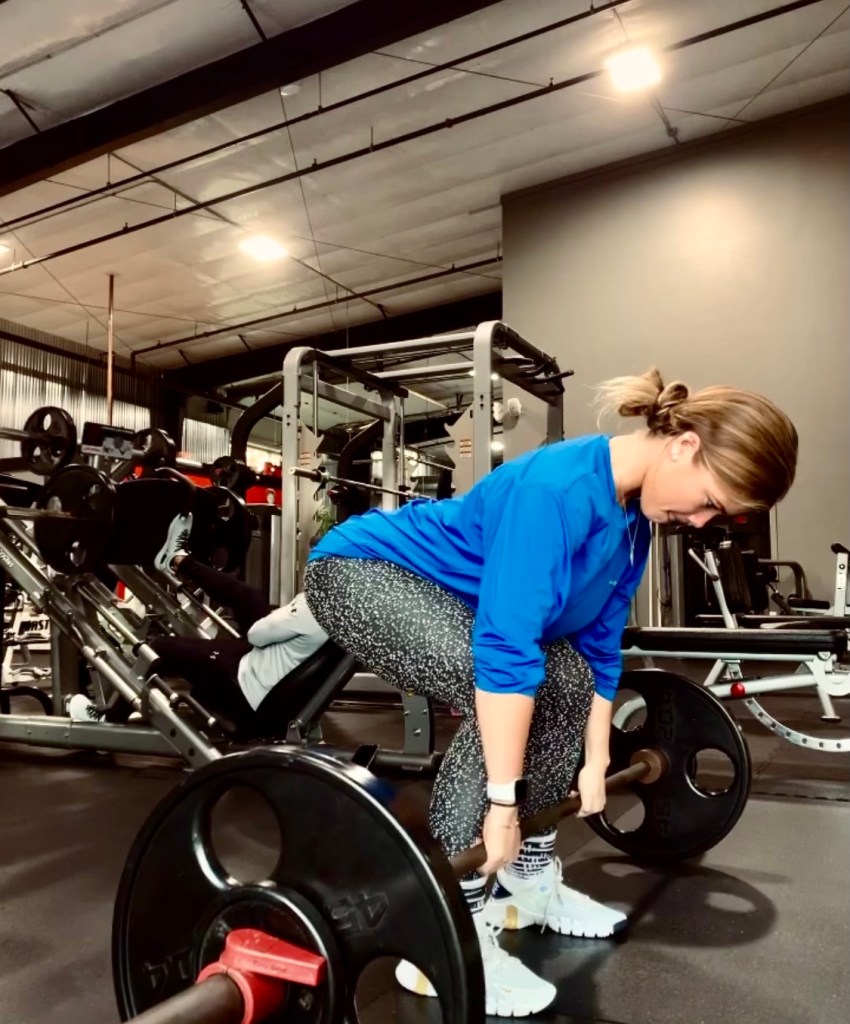
With this hand position, your back is taking on most of the load.

Supinated Back Exercises
Ex: bent over row, seated row, bicep pull down
The supinated grip is very popular for back exercises. This is when you use an underhand grip on back exercises such as pullups, pulldowns, or rows.
This brings your biceps into the workout to add more power and possibly be able to lift heavier.
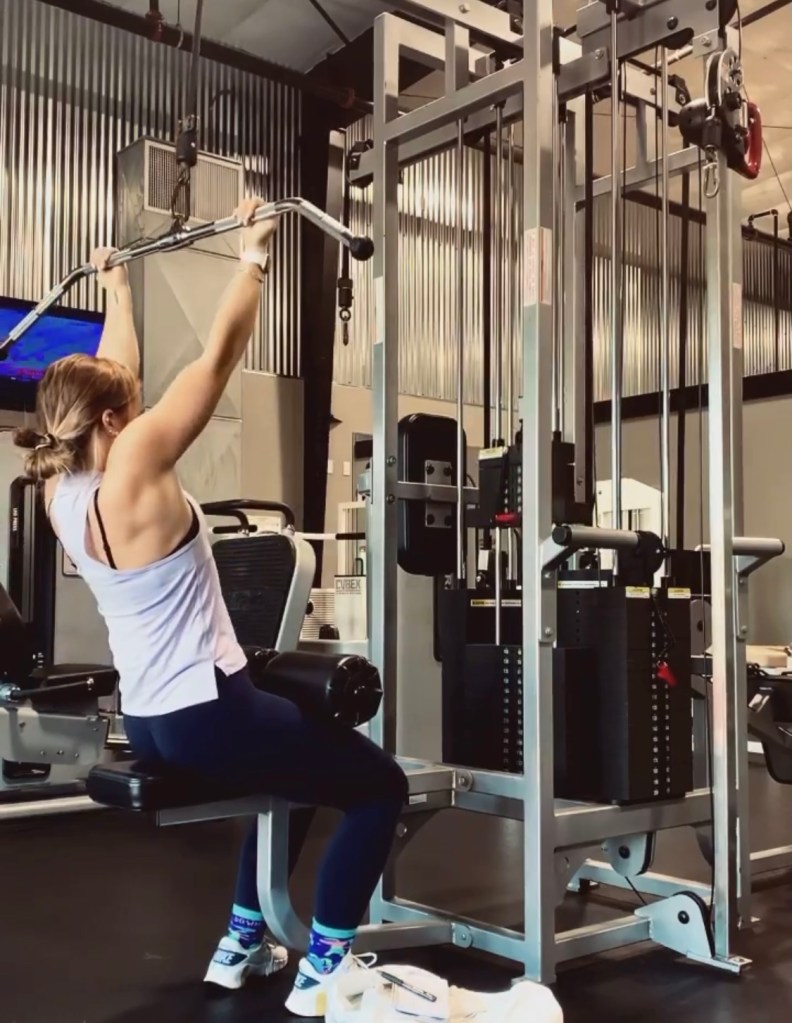
*remember, don’t aim to lift heavy. Aim for good form, and be careful of putting too much unnecessary stress on the biceps.
Mixed Grip Deadlifts
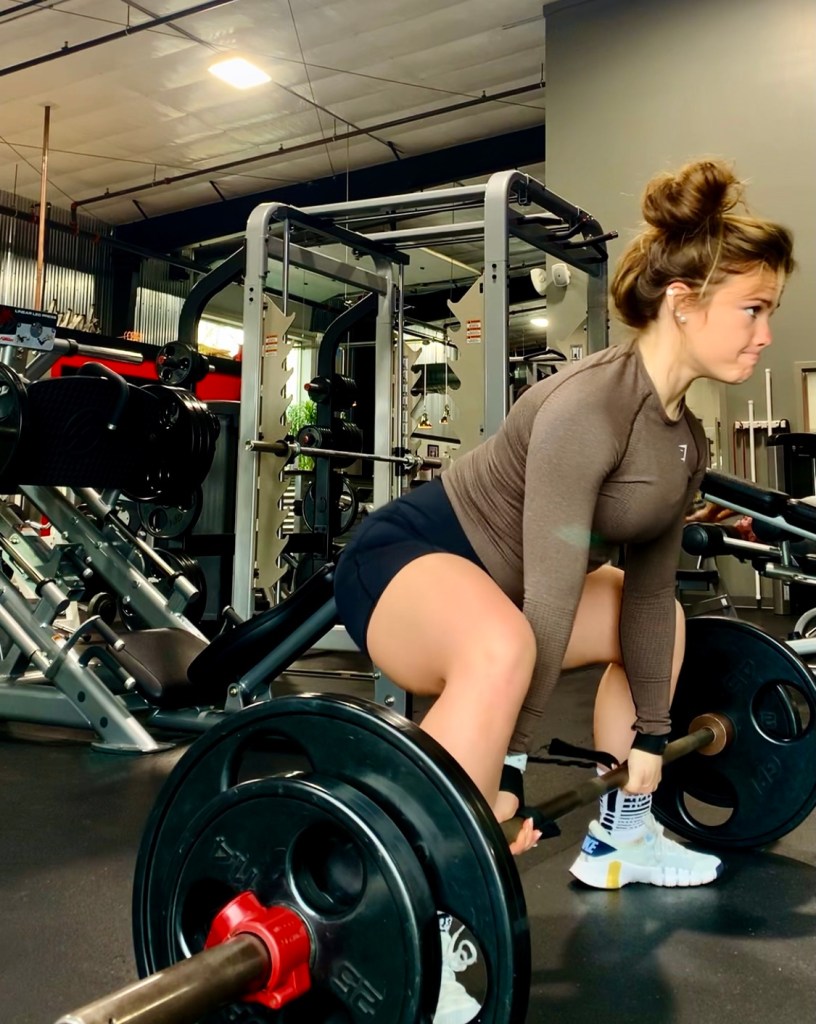
A mixed grip deadlift is when one hand is pronated and one is supinated. This grip has helped me with heavier deadlifts when I didn’t have lifting straps. However, I don’t recommend it when you’re going REALLY heavy, as it can strain the supinated bicep side.
This is *personal preference, but I recommend lifting straps or gloves when you’re going heavy, to limit strain on accessory muscles, or even your back. Grip strength is extremely important!
Underhand rows
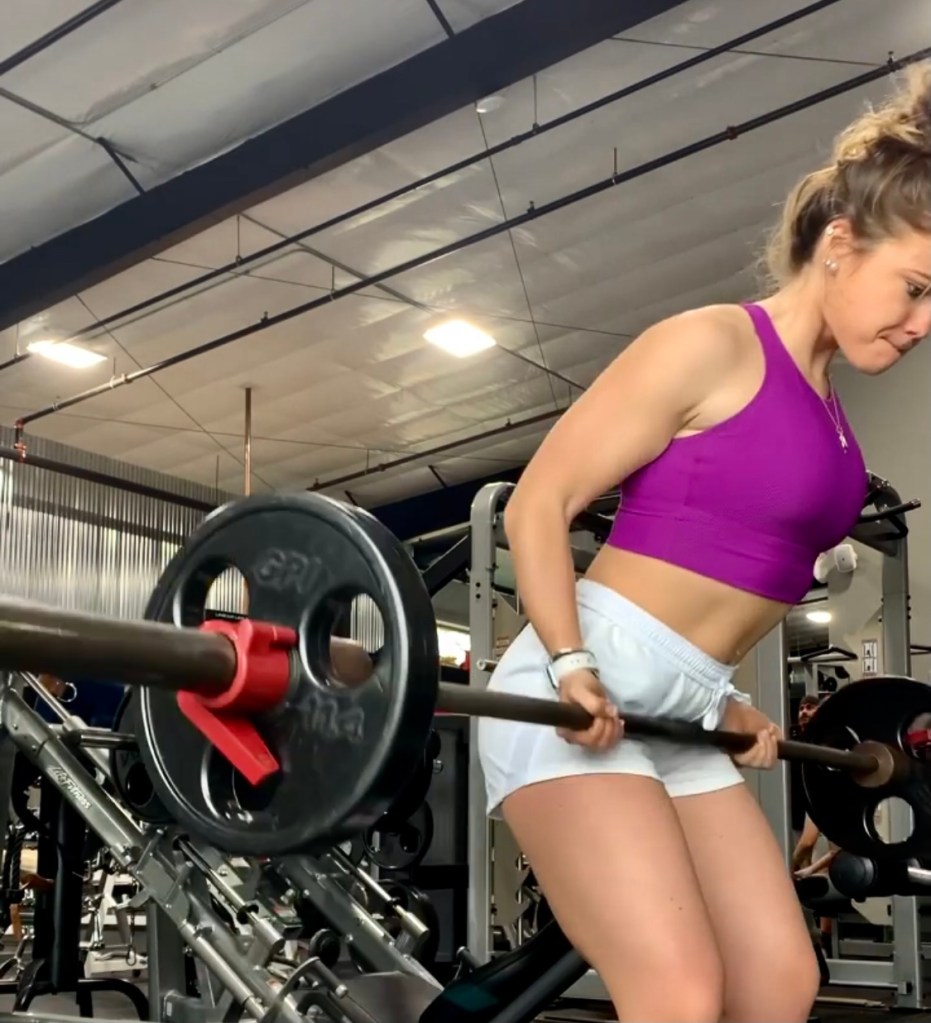
Underhand rows work more of the lats. The goal for every person is to have the elbows tucked near the body and pulled back. You do not want the elbows to flare out if possible. This is done with a supinated grip, so you WILL feel it in your biceps. Make sure you feel it in your back and biceps, not your wrists or forearms. These aren’t for everyone.
I personally love this movement because it hits your upper-back muscles and straightens your posture. It works your core as well as giving you the V or “Hourglass” shape many people want.
Pull Ups
Chinups also known as supinated pull ups, work your middle back, upper back, and biceps, and they’re usually easier to perform than pullups.
Now time for the accessory bicep movements….
Keep in mind that your back muscles are targeted in both types of pullups.
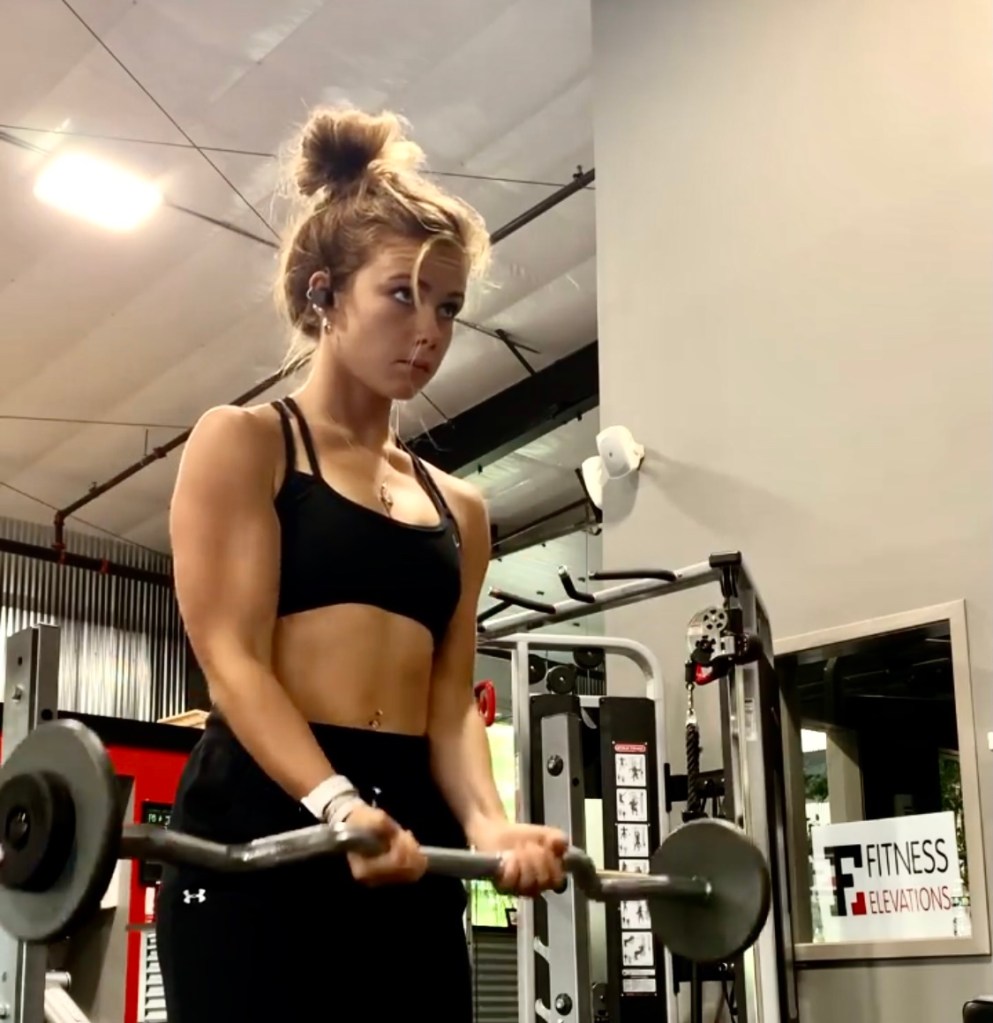
Bicep Curls
Both supinated and pronated bicep curls target your biceps.
Pronated curls also work your outer arms and forearms, and they’ll help you develop grip strength. I’m not going to lie, these are still almost impossible for me, these are extremely difficult!
Hammer Curls
Hammer curls are where your palms face inward through the whole range of motion. Hense, hammer.
With this neutral grip, you can hit both the inner and outer heads of the bicep.
Key points to take from this article:
- Hand grips are very important to think about
- These are not the only effective back/bicep workouts, I just chose some to start off.
- Supination is an underhand grip, palms up.
- Pronation is an overhand grip, palms down.
- Supination is one of the primary functions of the bicep muscle, which is why it’s used in a lot of bicep movements
- A more supinated grip works the inner bicep.
- A more pronated grip works the outer bicep and forearm.
- For triceps, supination works the outer head.
- Pronation works the inner and middle heads.
- For back exercises, supination brings more biceps (and power) into the movement. For example, bicep pull downs or bent over rows.
Enjoy!
-Ashlinn
 Growing Healthies
Leave a comment