Have you ever thought about how food affects your hormones?
As humans, we go through hormones cycles throughout life. As women especially, we go through different hormone cycles on not only a monthly basis, but even on a daily basis. PMS, PMDD, Endometriosis, menopause, painful periods, infertility, PCOS, etc… all are some of the challenges women can experience related to their menstrual cycles.
Many of us, are put on birth control at a young age, to limit these symptoms…or even worse, antidepressants without having true clinical depression. As someone who was put on birth control at a young age, I realized that this extra bout of hormones was not for me, causing mood swings, water weight gain, acne, and nausea all in order to stop the debilitating cramping I get.
As I grew older, and against “the pill” being our only remedy for hormone balance and to ease cramping, I learned that food can in fact work similar ways to supplements, or even medicine.
So, welcome to my “food as medicine” blog post category.
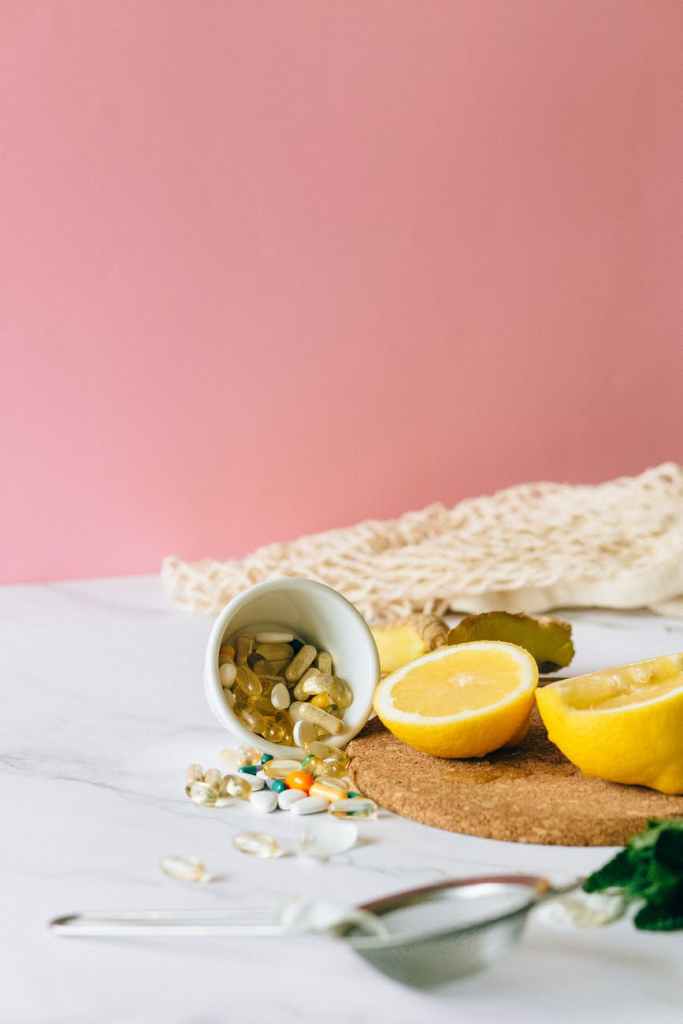
Disclaimer: I am not a medical professional (yet, lol) so I cannot give medical advice or credible information…however I can speak from personal experience and research!!
There are over 200 hormones in the body. Estrogen, testosterone, cortisol, insulin, leptin, ghrelin and thyroid hormones are the most commonly known. These all control things like metabolism, fertility, growth and development, and mood.
Estrogen: This is the female sex hormone that leads to changes during puberty and helps regulate menstrual cycle, maintain pregnancy, keep cholesterol in check and keep bones strong.
Testosterone: The male sex hormone that leads to changes during puberty; bone density and muscle strength (in both men and women).
It is a societal joke that women are more emotional/unpredictable than men. As one myself, I won’t defend that because it is just true!! We are more emotional than men, usually. But, scientifically, we go through hormonal highs and lows, that men don’t…often leading to periods of high emotion, mood swings, tiredness, etc..
Producing and metabolizing hormones through the proper foods helps to alleviate (but not CURE) bad PMS, PMDD, cramping, bloating, mood swings…and allows us to continue life in a more comfortable way.
You may crave weird things at certain times of the month…like pickles and peanut butter, or chocolate covered whatever. These cravings are telling us that we are low on something, and our body is asking for more of it! So, instead of causing a scene eating pickles and peanut butter, check your salt levels, make sure you’re eating enough & try an electrolyte filled beverage to keep your energy and spirits up!
I stick electrolyte powder in my water at work, and it curbs these weird cravings, gives me more energy, and helps me not get as fatigued mentally or physically.
Tips like these are things I LOVE to research so….
Here, I am going to list and explain SOME “hormone” happy foods…
Tuna is vital for our menstrual cycles.
-eat this for progesterone balance…even from a can!
-Tuna is high in vitamin B6, which has been clinically proven to assist in the management and relief of PMS symptoms
-This means possibly relieving or easing breast tenderness, tiredness, moodiness, headaches, bloating and fluid retention. Fluid retention is no joke, it leads to a water weight increase sometimes even 6+ lbs for some women! So, try tuna and about a gallon of water a day!
-Vitamin B6 in tuna (or other foods) may also help relieve emotional symptoms of pms.
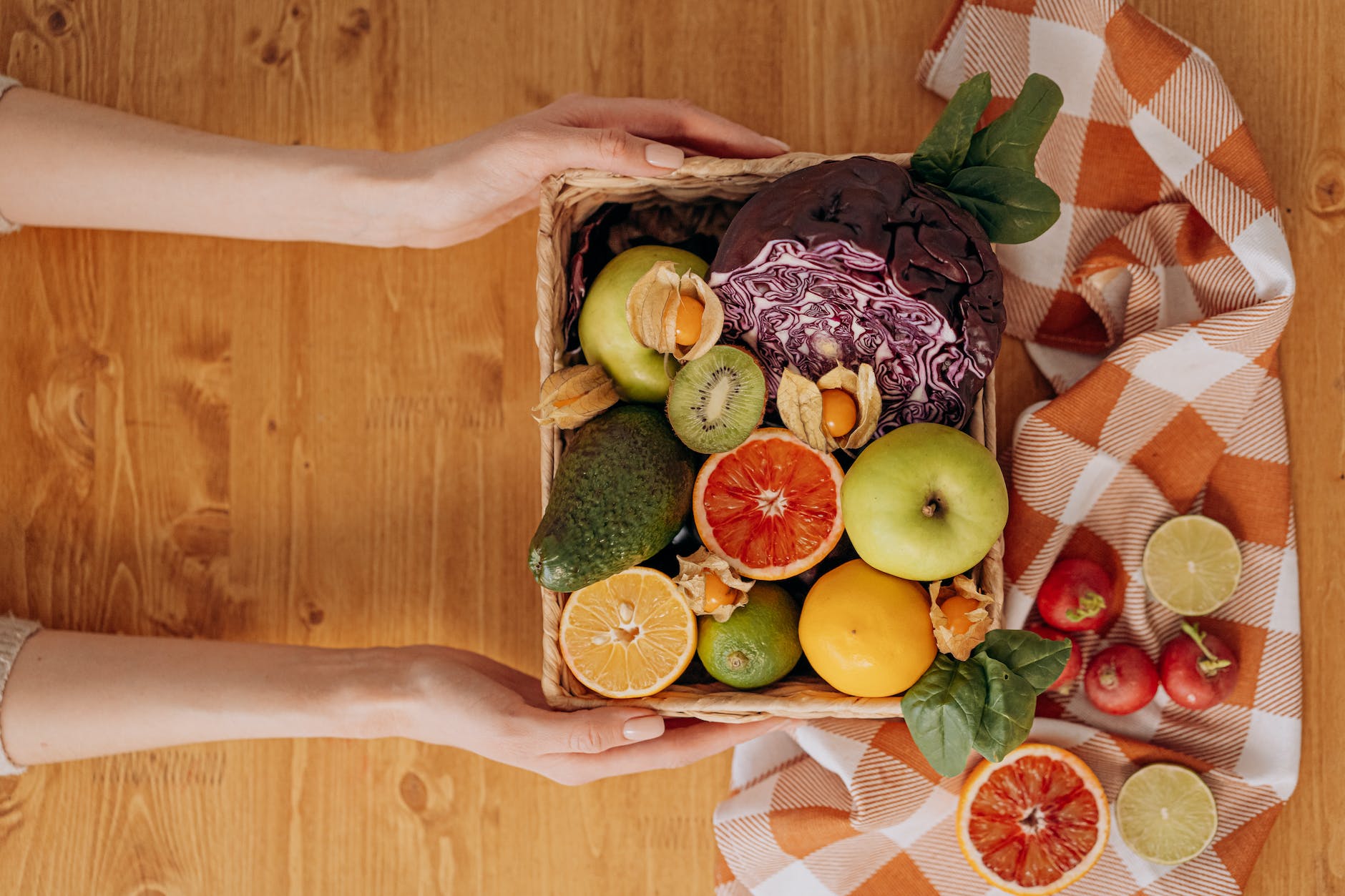
Our hormones love healthy fats like olive oil, avocado, nuts, seeds, eggs, fish, meat, as well as lots of fiber from fruits and veggies. But, we need to keep in mind if it’s a good fat, or an energy draining/artery clogging fat.
How to tell if you are eating a good or bad fat:
–Fat and cholesterol are the building blocks of hormones. You need enough cholesterol to make estrogen and testosterone. The key is to choose fats high in omega-3s and to limit saturated fats and completely avoid trans fats. So, by looking at the fats on the back of the package, you’ll realize calories don’t really matter as much for your health overall.
Salmon is one of my favorite foods, and form of healthy fats.
-Salmon, canned albacore tuna, walnuts, flaxseed, olive oil, avocados and chia seeds are high in omega-3 fatty acids.
-“Salmon also stabilizes your hunger hormones and is high in vitamin D, which helps regulate female testosterone levels,” says Carrie Gabriel M.S., RDN, a dietitian and owner of Steps2Nutrition. “
-These good fats in fish improve hormonal communication, which gives us a brighter mood and the ability for our brains to function more properly.
Vegetables are good for estrogen balance….
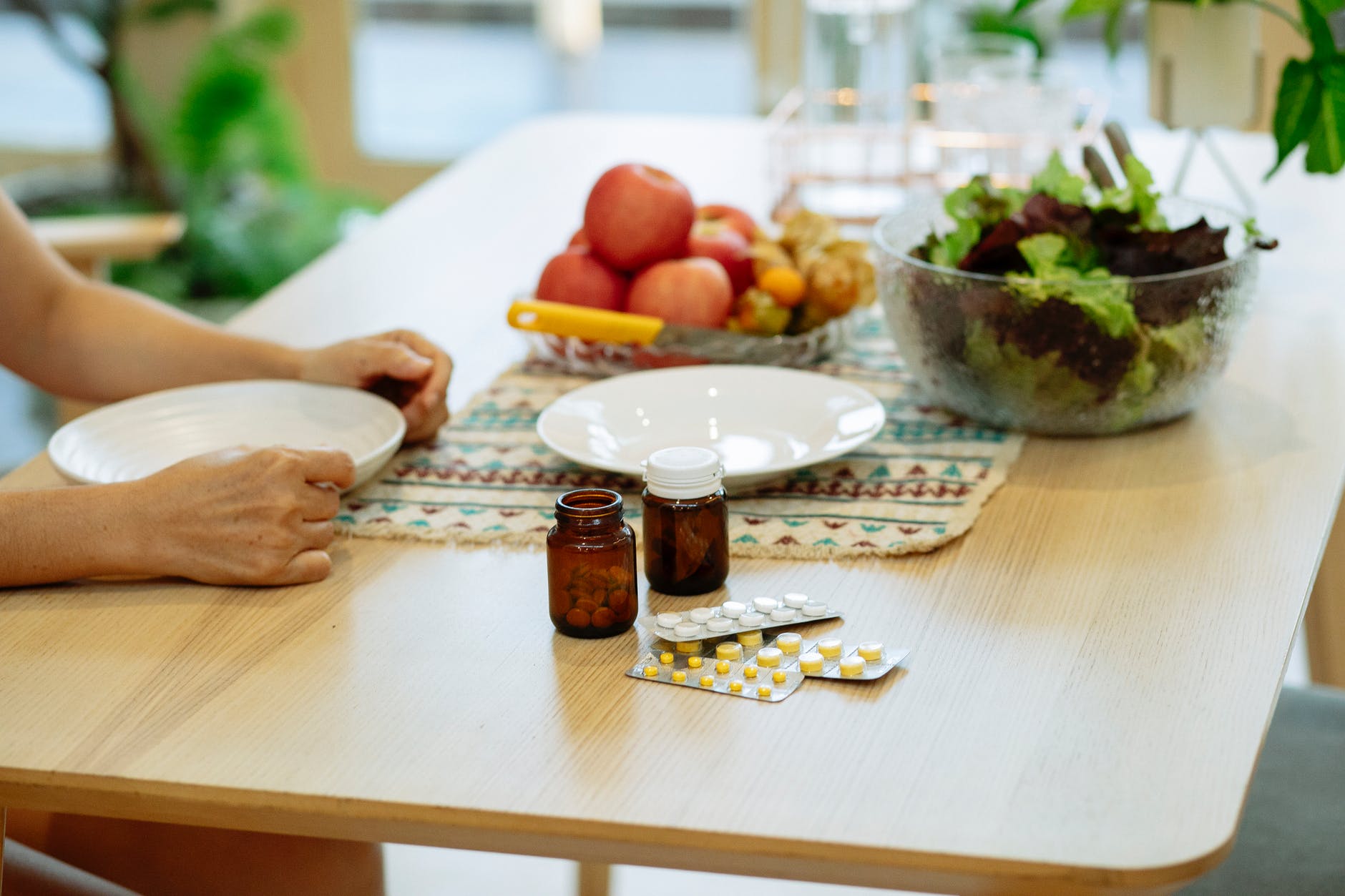
To help balance your estrogen levels, eat broccoli or other cruciferous veggies. These other cruciferous veggies consist of cauliflower, brussel sprouts, kale, cabbage and bok choy.
Try avocado for cholesterol and cortisol.
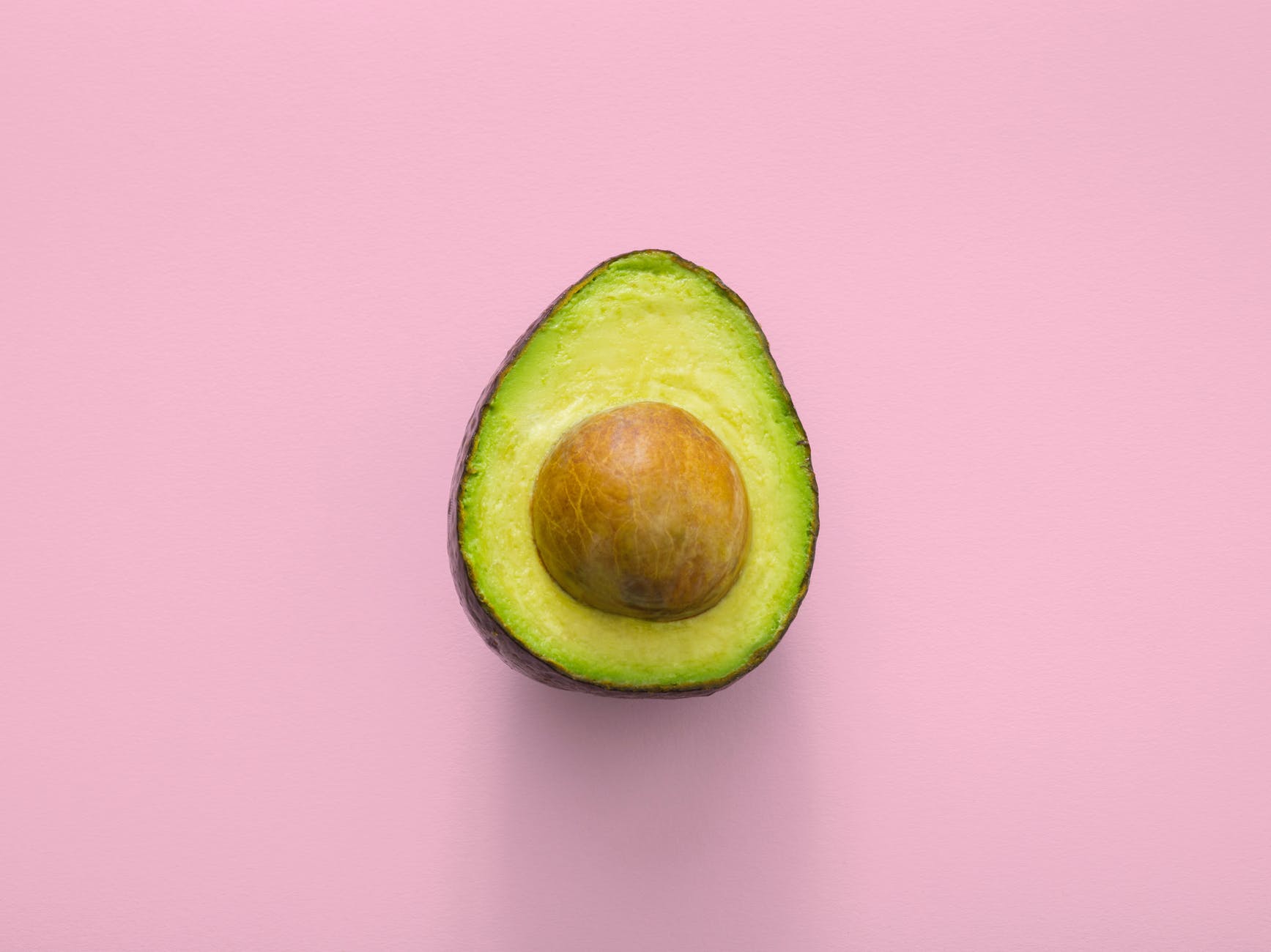
-Avocados are loaded with beta-sitosterol, which can improve cholesterol levels and help balance cortisol, the stress hormone most dominant when we wake up in the morning.
-Avocados also influence estrogen and progesterone, the two sometimes evil hormones that regulate ovulation and menstrual cycles.
Carbs are not bad for you…
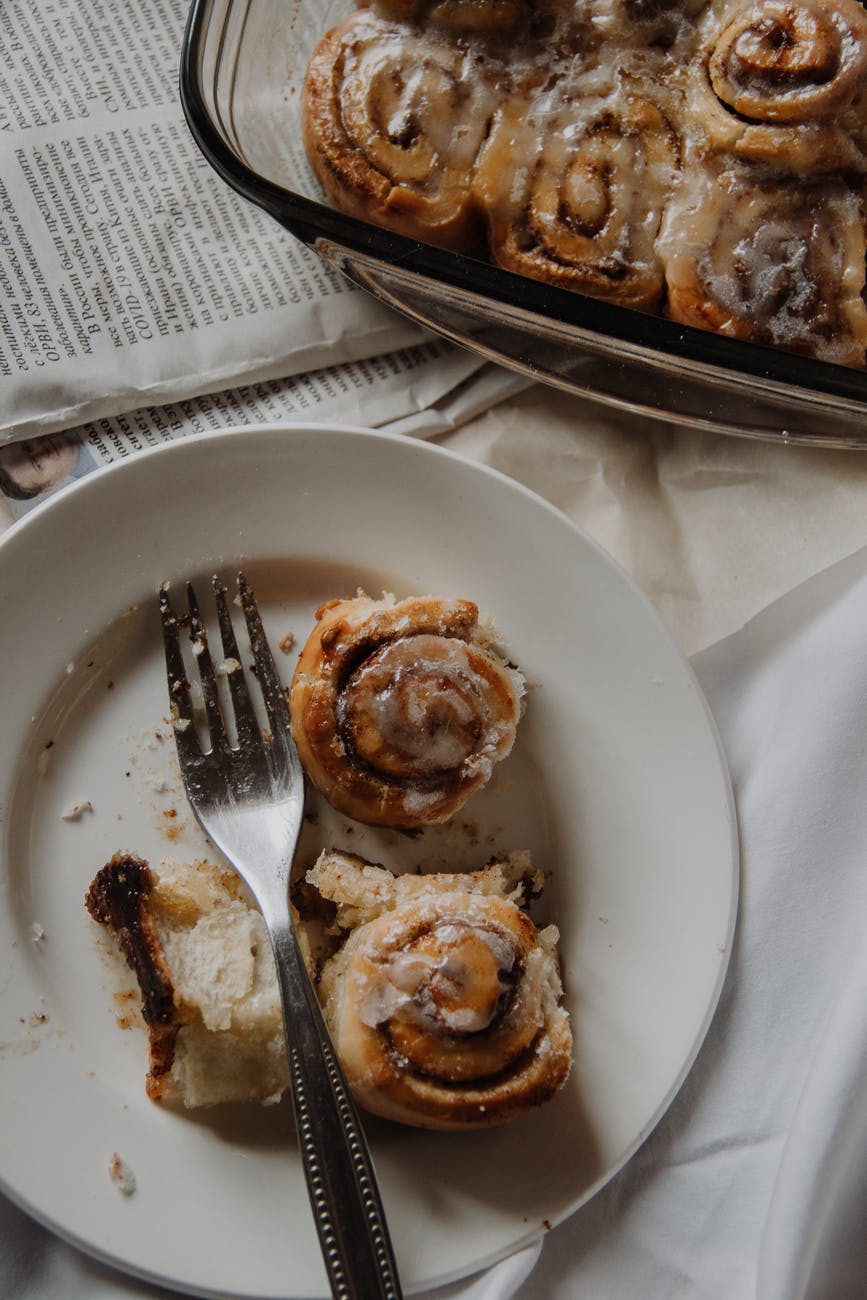
–Fruits, vegetables, and whole grains are known as the “good carbs” where cake, white bread, candy, and cupcakes are known as the “bad carbs” that we should still allow ourselves to have once in a while.
–Good carbs are high in fiber which regulates our digestive systems, as well as clearing excess hormones out of the body.
-Cutting our carbs completely will not be beneficial to you and your hormones. Instead, make half your plate vegetables, and a fourth of your plate starchy vegetables like potatoes or whole grains. This is a good excuse to have cinnamon coated butternut squash, glazed carrots, or other root vegetables.
-Including some of these carbs at dinner may actually help your body regulate melatonin and cortisol…making you relax and sleep better!
Pre/Probiotics
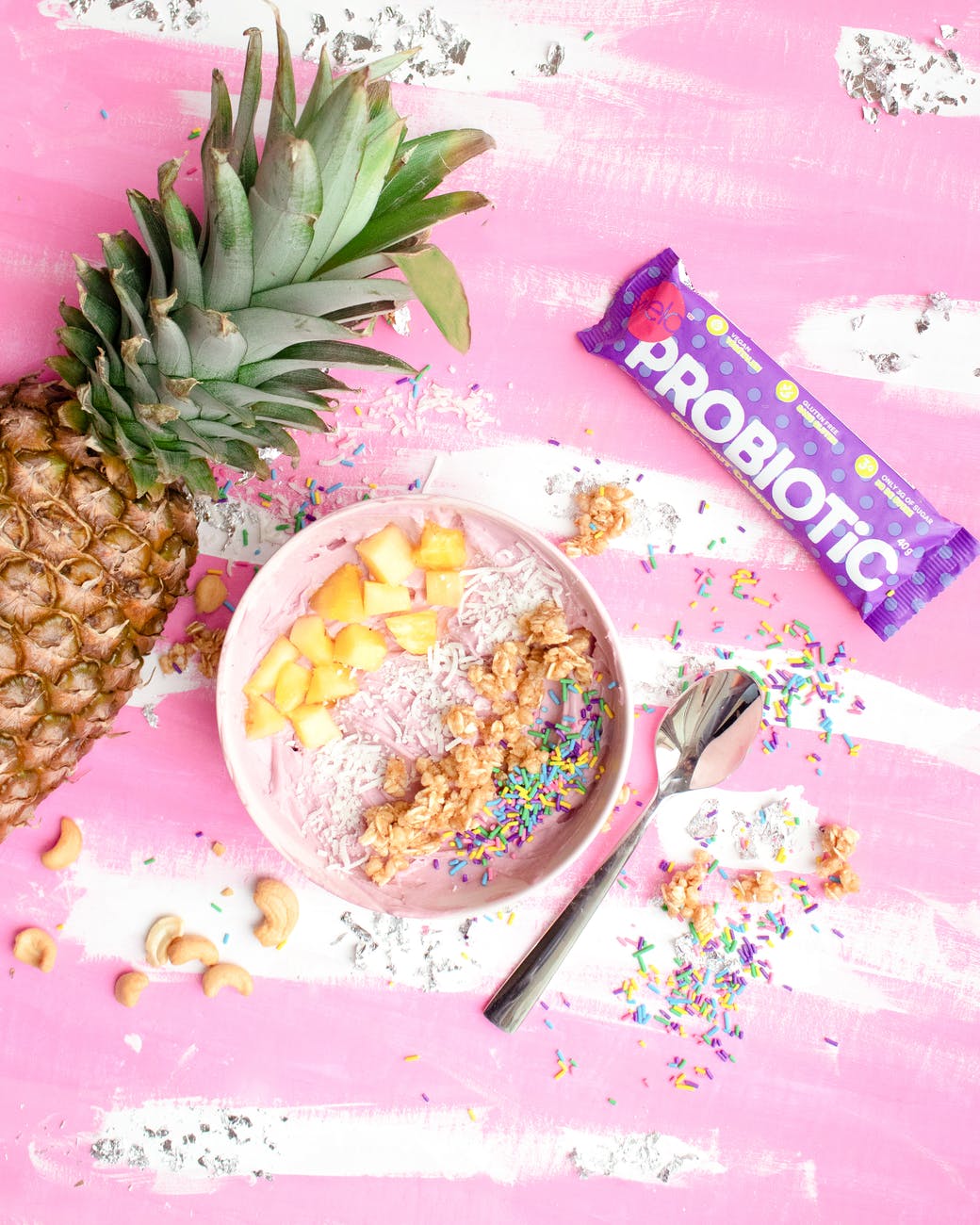
Probiotics are the good bacteria in the gut, and prebiotics are fiber filled foods the bacteria in your stomach relies on. The gut is the largest endocrine organ in the body and synthesizes and secretes more than 20 hormones… which is why you are thrown off when your gut health is thrown off. Gut health is so extremely important, and I’ve noticed products like yogurt, kimchi, kombucha, and even a women’s daily probiotic have literally changed my life & my gut.
On the other hand, pesticides, alcohol, and artificial sweeteners can impact our hormones in a negative way.
Avoid:
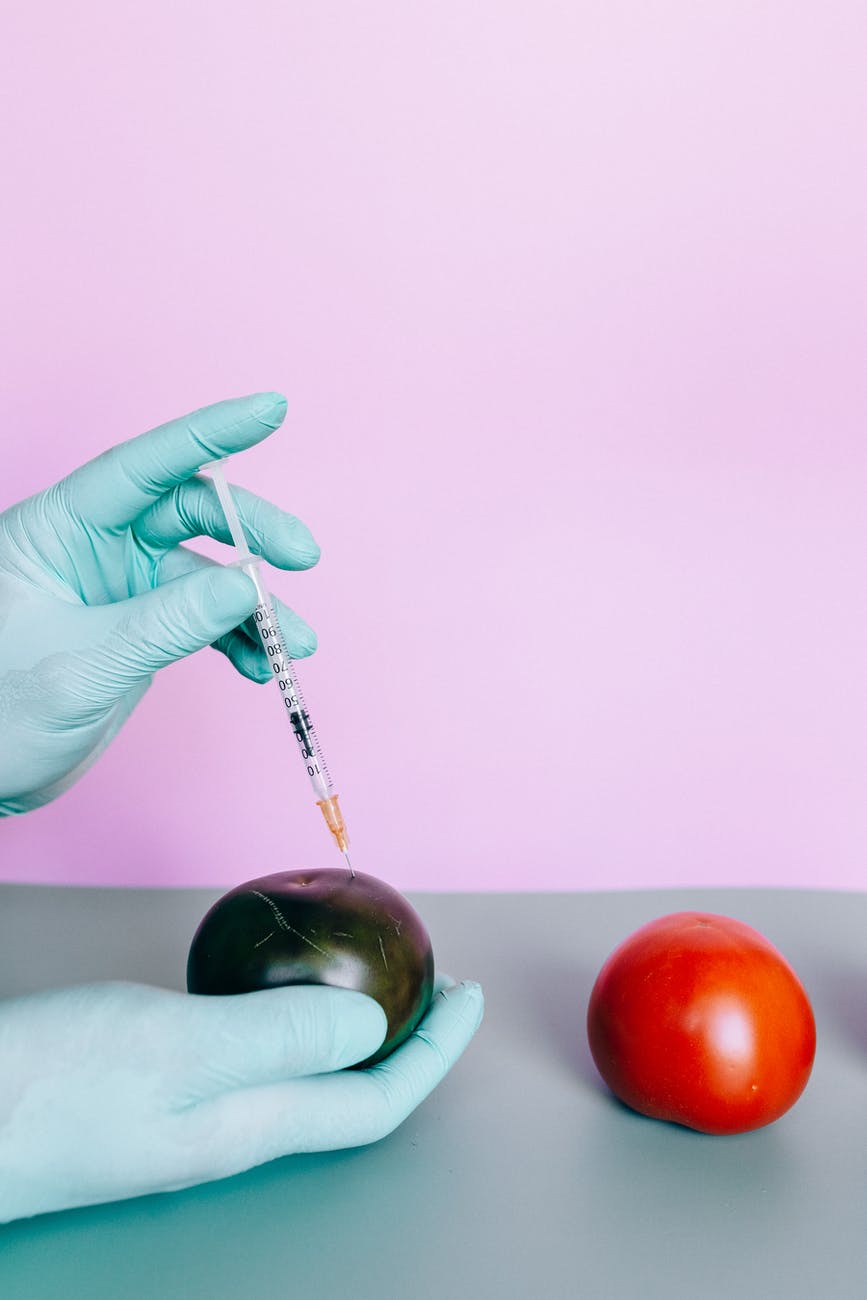
processed foods, fried foods, sugar and artificial sweeteners and alcohol. Don’t cut those out completely, as you do need to still live you life & drinks like red wine are good for you!
Keep in mind that artificial sweeteners may hurt your gut bacteria, alcohol affects blood sugar control, and fried food weighs us down & isn’t good for your gut or health. Personally, looking at the salt/fat in processed foods helps me decide if they’re “good” or not. Alcohol like vodka and water with a splash of juice, mio, or sugar free lemonade won’t make you wake up dead the next day. And, neither will red wine paired with dark chocolate.
It is important to realize that sugar is known to kill us, as is artificial sweetener. Processed foods are thought to kill us, but many “fresh” fruits have pesticides and are not completely natural. Pick what you like and want, and pay attention to what’s BEST for you. Everything can take us down one way or another!
Conclusion….
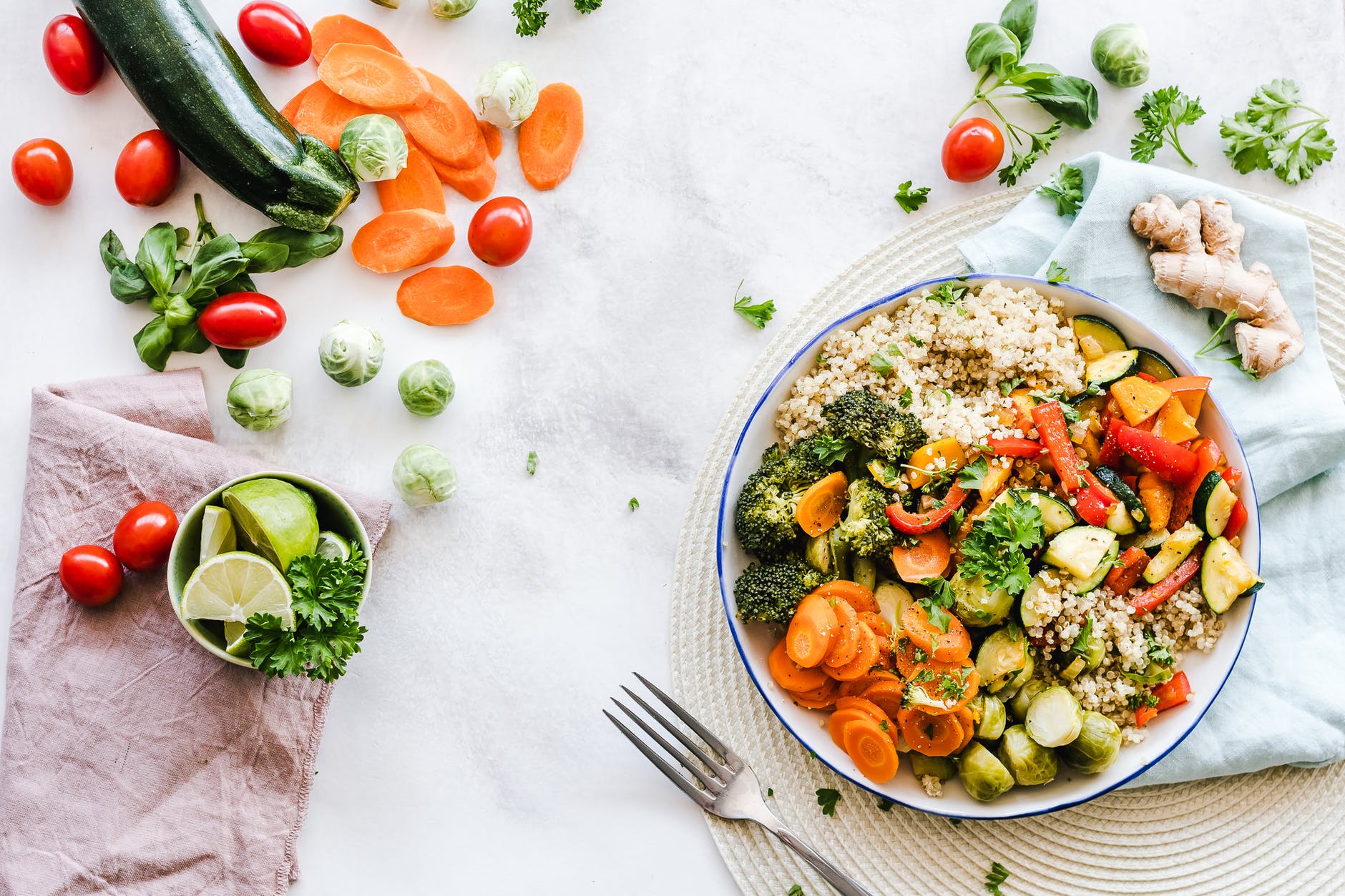
We don’t always need a pill or prescription to “fix” ourselves. Not eating enough of these, sleeping well enough, drinking/smoking everyday, and not eating enough in general, will throw your hormones off and cause you to crash and burn. Hormones impact how we grow, metabolize food, digest food, our fertility, energy, mood and mental status, stress levels, appetite, and even our weight. We all have different digestive systems and individual hormonal needs, but…eating a diet high in fruits, vegetables, whole grains, healthy fats and protein keeps hormones balanced.
 Growing Healthies
Leave a comment